Vulnerability
SECTION 1 – UNDERSTANDING VULNERABILITY
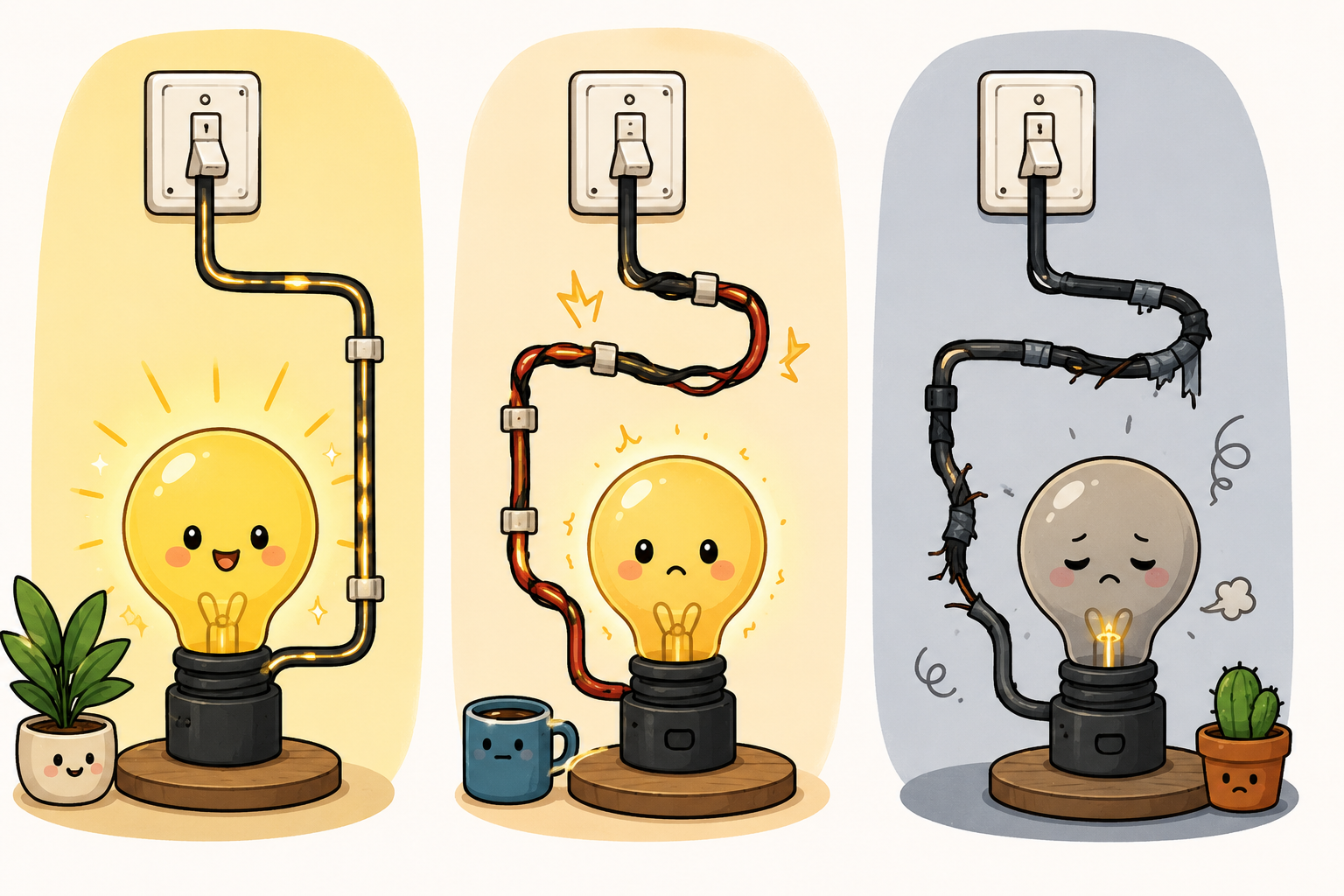
If the Trigger Were the Cause, Everyone Would Break
Every day, people experience rejection, failure, conflict, and disappointment. Yet not everyone reacts the same way. If the trigger alone was the cause, then everyone who experienced that situation would break. But that’s not what we see. Every brain is shaped by a unique combination of genes, life experiences, relationships, stress, trauma, and support. All these factors influence how we process emotions and respond to challenges. The trigger may be visible, but it is only one part of a much bigger story. Recognising these underlying vulnerabilities early through proper assessment and evidence-based mental health care allows us to support people before a crisis develops.
The Same Storm Doesn't Break Every Mind
Imagine two people standing in the same storm. One stands steady, while the other struggles and runs for cover. What does this tell us? Not every storm affects every person in the same way. Just like every person is different, every brain is different too. Our brains are shaped by a unique combination of genes, life experiences, trauma, stress, relationships, support systems, and the environment around us. All of these influence how we process emotions and respond to life’s challenges. So, the storm may be the same, but not everyone will break because of it. Understanding these differences helps us recognise when someone may need professional assessment, accurate diagnosis, and timely treatment rather than judgement or oversimplified advice.
Everybody Saw the Body. Nobody Saw the Broken Brain.
When someone dies by suicide, people often see the tragedy, but not the struggle that came before it. Long before the crisis, the brain may have been carrying emotional pain, stress, loneliness, repeated disappointments, or unresolved trauma. These experiences can gradually affect the way the brain copes with stress and regulates emotions. The final outcome is visible to everyone, but the invisible struggle often goes unnoticed. Suicide prevention begins by recognising the broken brain long before the broken body. Recognising these signs early and seeking support from qualified mental health professionals can make timely intervention possible and may prevent a crisis.
The Trigger Was Public. The Vulnerability Was Invisible
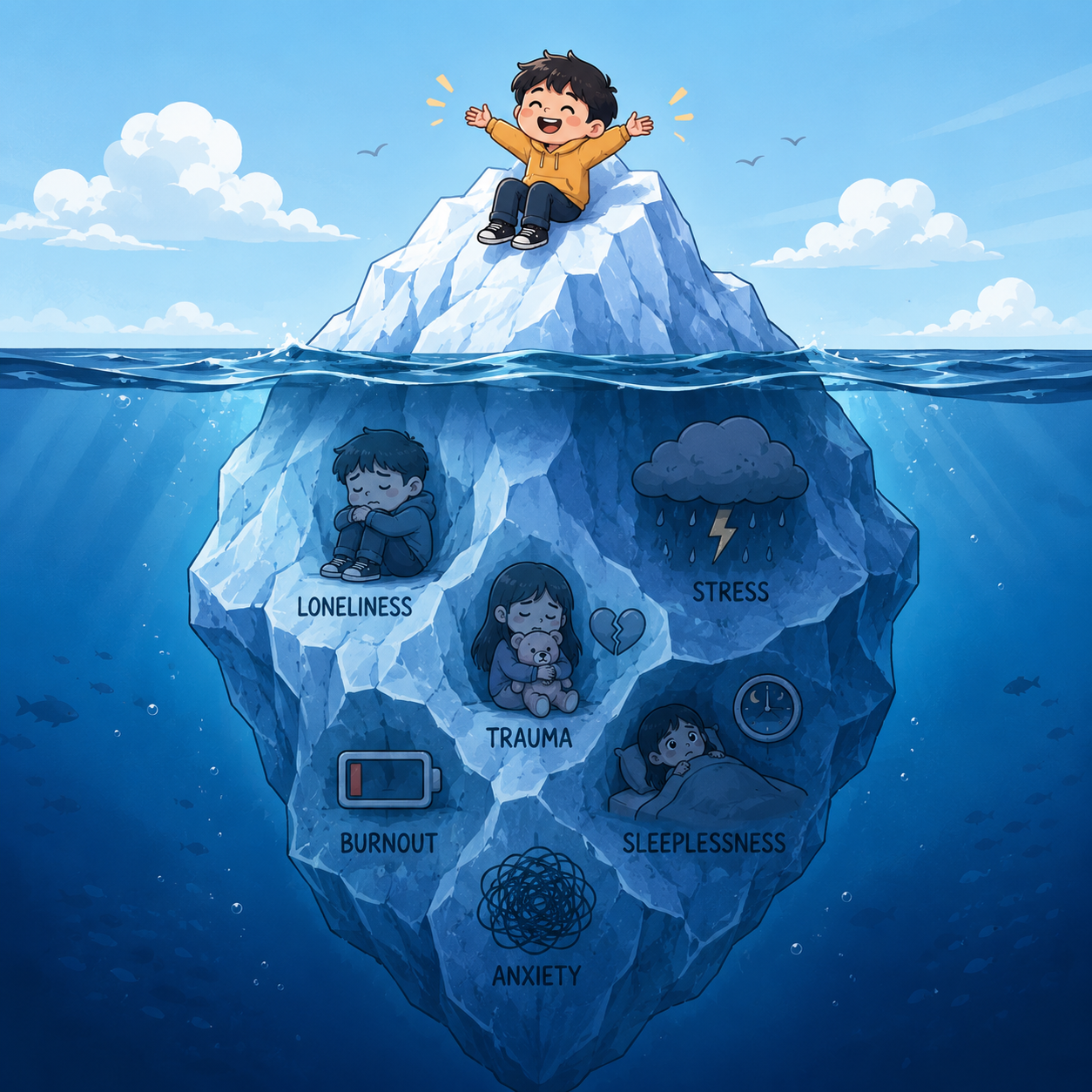
People often remember the breakup, the failed exam, or the financial loss because those events are easy to see. What remains invisible is everything that existed before it, the emotional burden, previous life experiences, loneliness, trauma, ongoing stress, and the way the brain had already been struggling to cope. The trigger may have been public, but the vulnerability had been developing quietly over time. Looking beyond the obvious helps us understand the person, and recognising these hidden struggles early allows timely assessment, appropriate treatment, and support before they become overwhelming.
Fault in the Wiring?
This doesn’t mean the brain is “faulty.” It reminds us that every brain is wired differently. Some brains may be more sensitive to stress, rejection, fear, or emotional pain than others. These differences develop through our biology, experiences, relationships, and environment across our lives. Just as some people are more vulnerable to physical illnesses, some brains are more vulnerable to emotional overload. Understanding these differences helps replace blame with empathy, and when recognised early, many difficulties can be managed effectively through evidence-based therapy, medication when needed, and professional support.
SECTION 2 – UNDERSTANDING LOAD
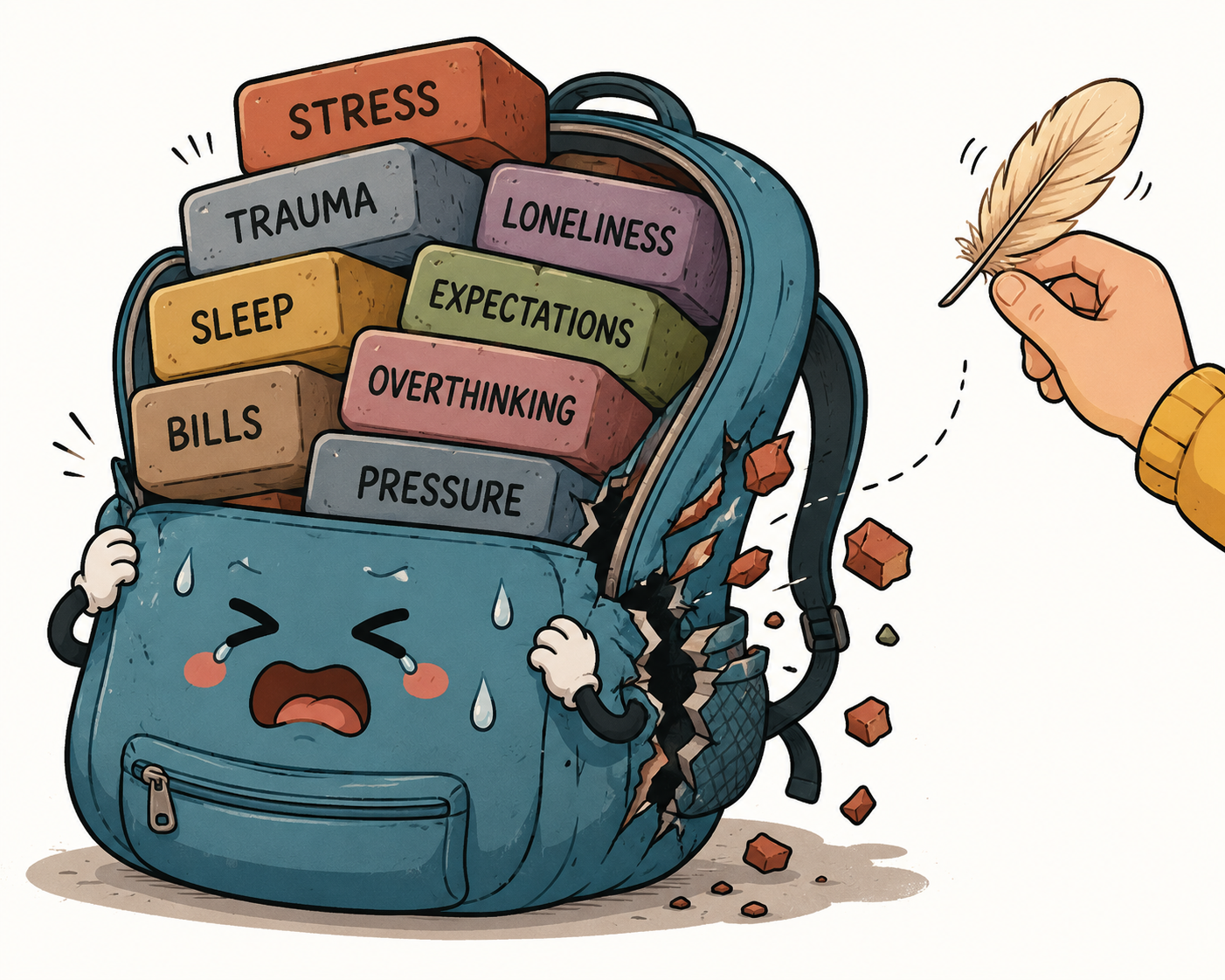
The Last Straw Is Never the Whole Load
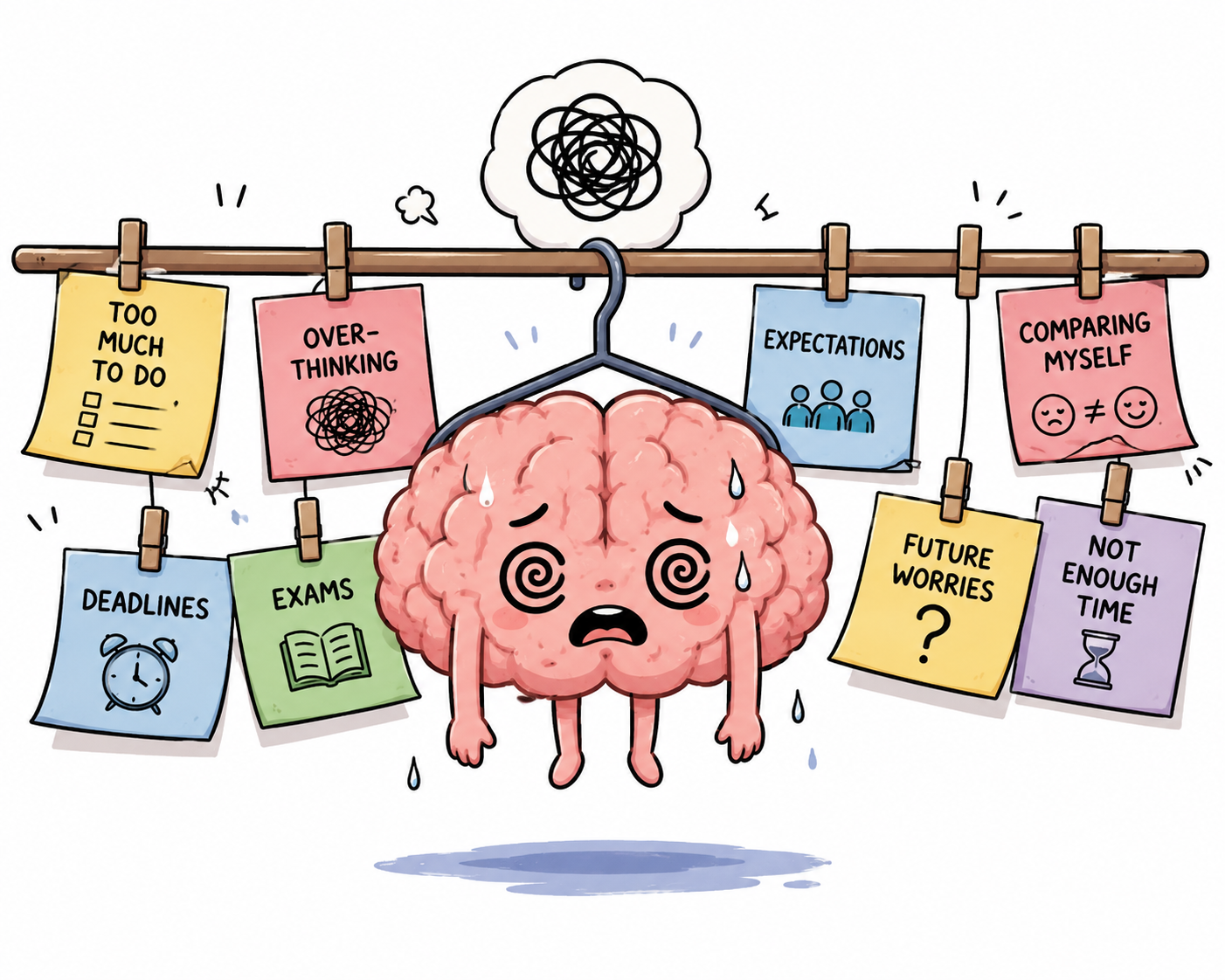
When we hear about a crisis, we often look for the last straw, the breakup, the failed exam, or the argument. But think about carrying a heavy bag. It doesn’t become heavy because of the last thing you put into it. It becomes heavy because of everything it has been carrying all along. Our brain works in a similar way. Stress builds over time through disappointments, trauma, loneliness, family problems, financial worries, lack of sleep, and many other experiences. The last straw is simply the event everyone notices, not the entire reason behind the collapse. Identifying this emotional load early gives us the opportunity to intervene before the burden becomes too much to carry.
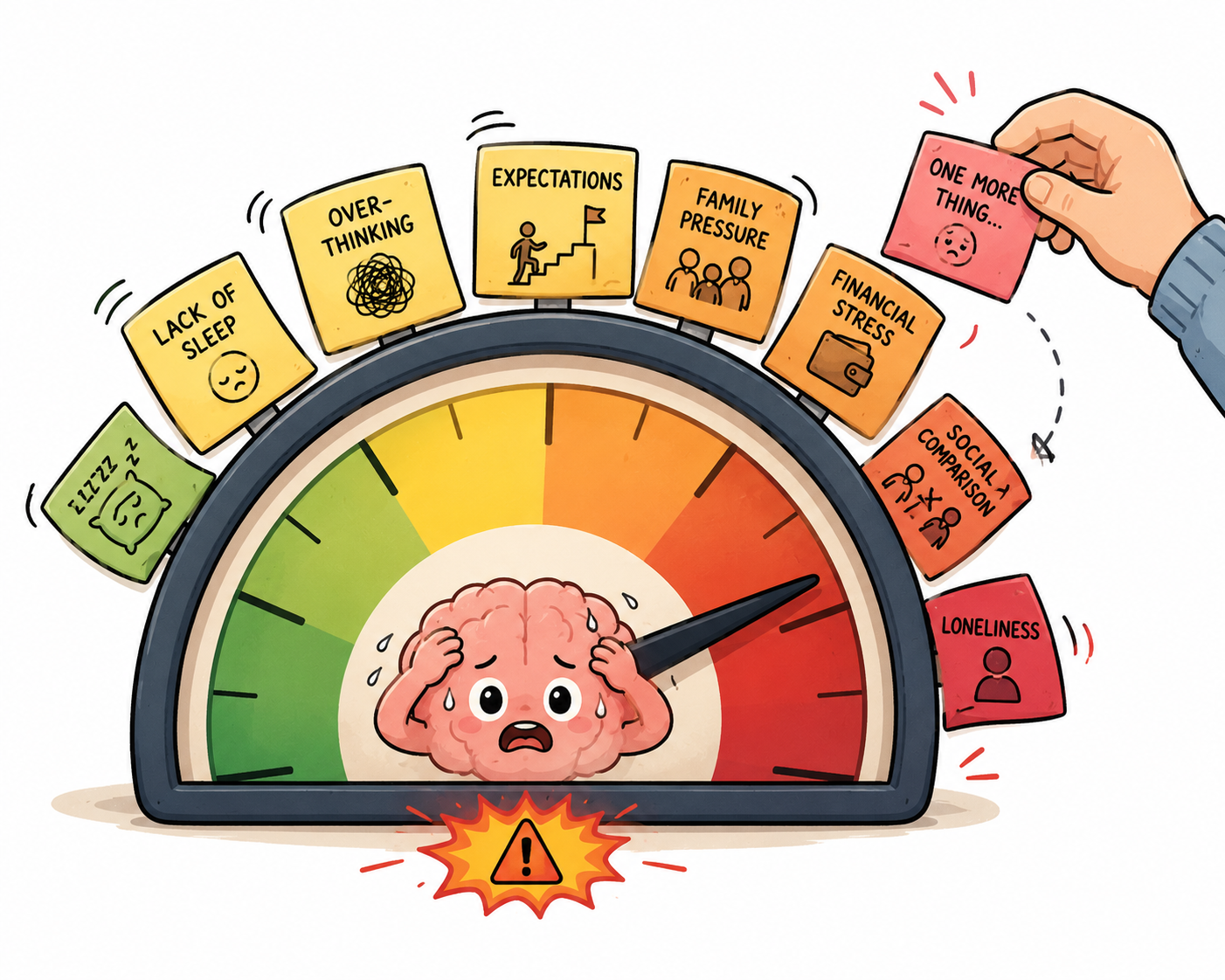
Everybody Saw the Trigger. Nobody Saw the Bullets Loading the Brain.
People often notice the final event but miss everything that came before it. Every stressful experience, whether it is rejection, loneliness, academic pressure, financial difficulties, relationship problems, or unresolved emotional pain, adds a little more load to the brain. Over time, these experiences can make it harder for the brain to regulate emotions and cope with new challenges. By the time the trigger appears, the brain may already be carrying far more than anyone could see. What looks sudden from the outside is often the result of a long, silent build-up. Recognising these accumulating stressors early through proper assessment and timely intervention can prevent them from progressing into a crisis.
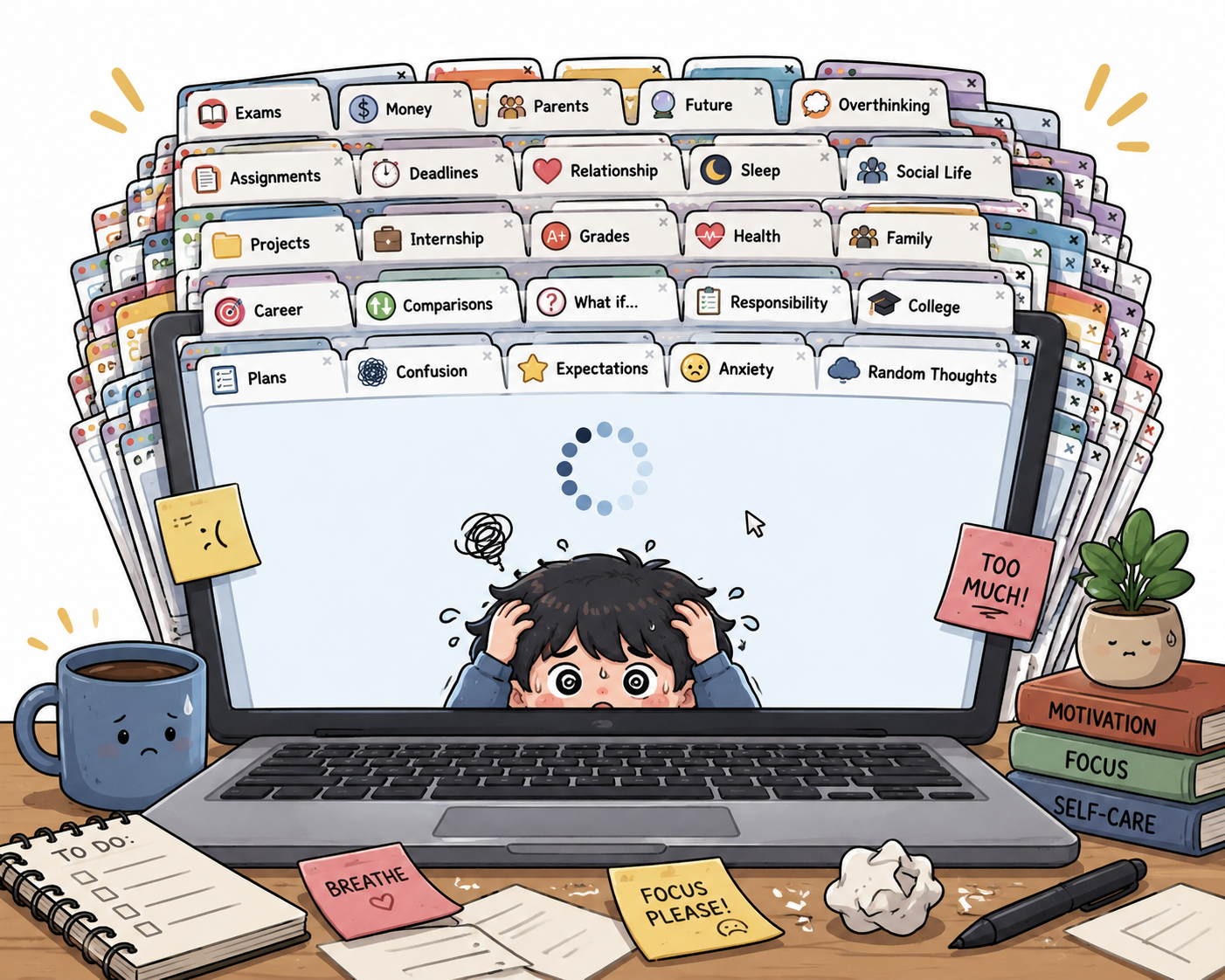
Too Many Tabs Open Crashes the Browser
Have you ever noticed how your phone or computer slows down when too many apps or browser tabs are open? The brain works in a similar way. It is constantly processing thoughts, emotions, memories, decisions, and daily responsibilities. When stress from relationships, studies, work, family, finances, or health keeps piling up without enough time to recover, the brain can become overloaded. Just like a browser crashes when it runs out of resources, an overloaded brain may struggle to think clearly, manage emotions, or cope effectively. Learning healthy coping strategies through evidence-based therapy and seeking professional help when needed can help restore emotional balance.
Brain Hang Aayiduchu.
We’ve all joked that our phone has “hung” when it stops responding. Sometimes our brain feels the same way. After carrying stress for a long time, it can become difficult to concentrate, make decisions, regulate emotions, or even complete simple tasks. This doesn’t mean someone is lazy or weak. It means the brain has been working under pressure for too long without enough rest, recovery, or support. Just like we restart a device when it hangs, our brain also needs care, support, and time to recover. Instead of ignoring these signs, recognising them early and seeking appropriate professional care can help the brain recover and function better.
Low Battery. But No Warning
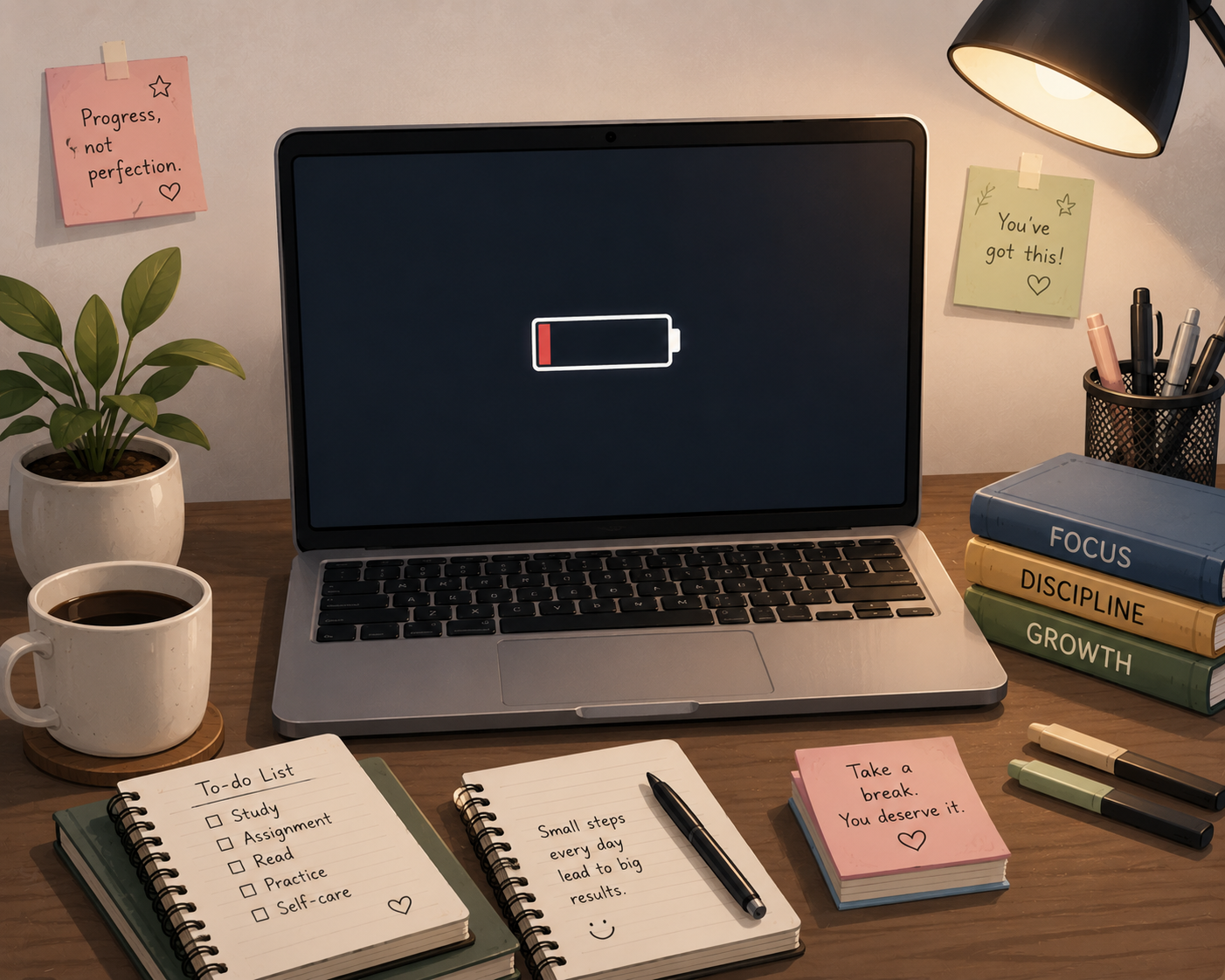
When a phone battery runs low, it gives us a warning. People don’t always have that luxury. Many continue going to work, attending college, smiling, and talking to others even when they are emotionally exhausted. They may look completely fine on the outside while silently running on empty. Our emotional energy is affected by stress, sleep, relationships, health, and the support we receive. Just because someone looks okay doesn’t always mean they are okay. Noticing these subtle changes and encouraging timely professional support can prevent emotional exhaustion from becoming something more serious.
SECTION 3 – RECOGNISING HIDDEN STRUGGLE
Bro... There Were Signs All Along
When someone dies by suicide, people often say, “There were no signs.” But many times, the signs were there, we just didn’t know what to look for. Changes in sleep, appetite, mood, behaviour, relationships, academic performance, or losing interest in things they once enjoyed can all be early indicators that someone is struggling. The brain often shows signs of distress long before a crisis occurs. Learning to recognise these changes and seeking professional assessment early can make timely intervention possible.
The Application Works. But It Has Bugs
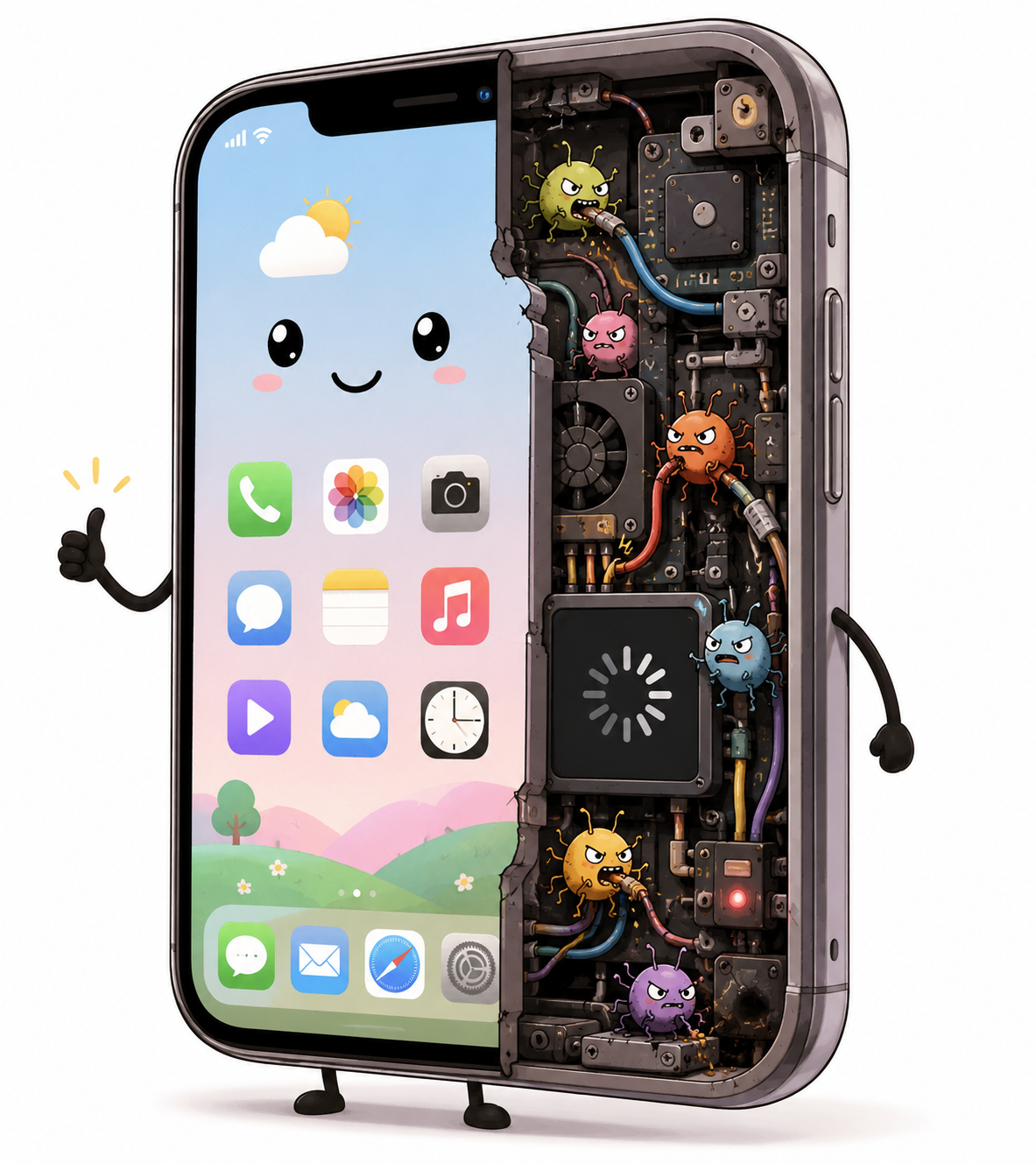
Have you ever used an app that looks perfectly fine but keeps crashing or freezing? People can be like that too. Someone may continue going to work, attending college, laughing with friends, or posting on social media while silently struggling inside. Just because a person appears to be functioning doesn’t mean everything is okay. Sometimes the brain works incredibly hard just to get through the day, even when no one else can see the effort. Looking beyond appearances and encouraging professional help when concerns arise can make a meaningful difference.
The Camera Saw Confidence. Nobody Saw the Collapse
A photograph captures only a moment, not the emotions behind it. A smile in a picture doesn’t always mean a happy mind. Many people learn to hide their struggles because they don’t want to worry others, be judged, or appear weak. While the world sees confidence, success, or happiness, the brain may be carrying stress, loneliness, emotional pain, or exhaustion that no camera can capture. Instead of assuming someone is okay because they look okay, we need to notice changes, start conversations, and encourage appropriate professional help when something doesn’t feel right.
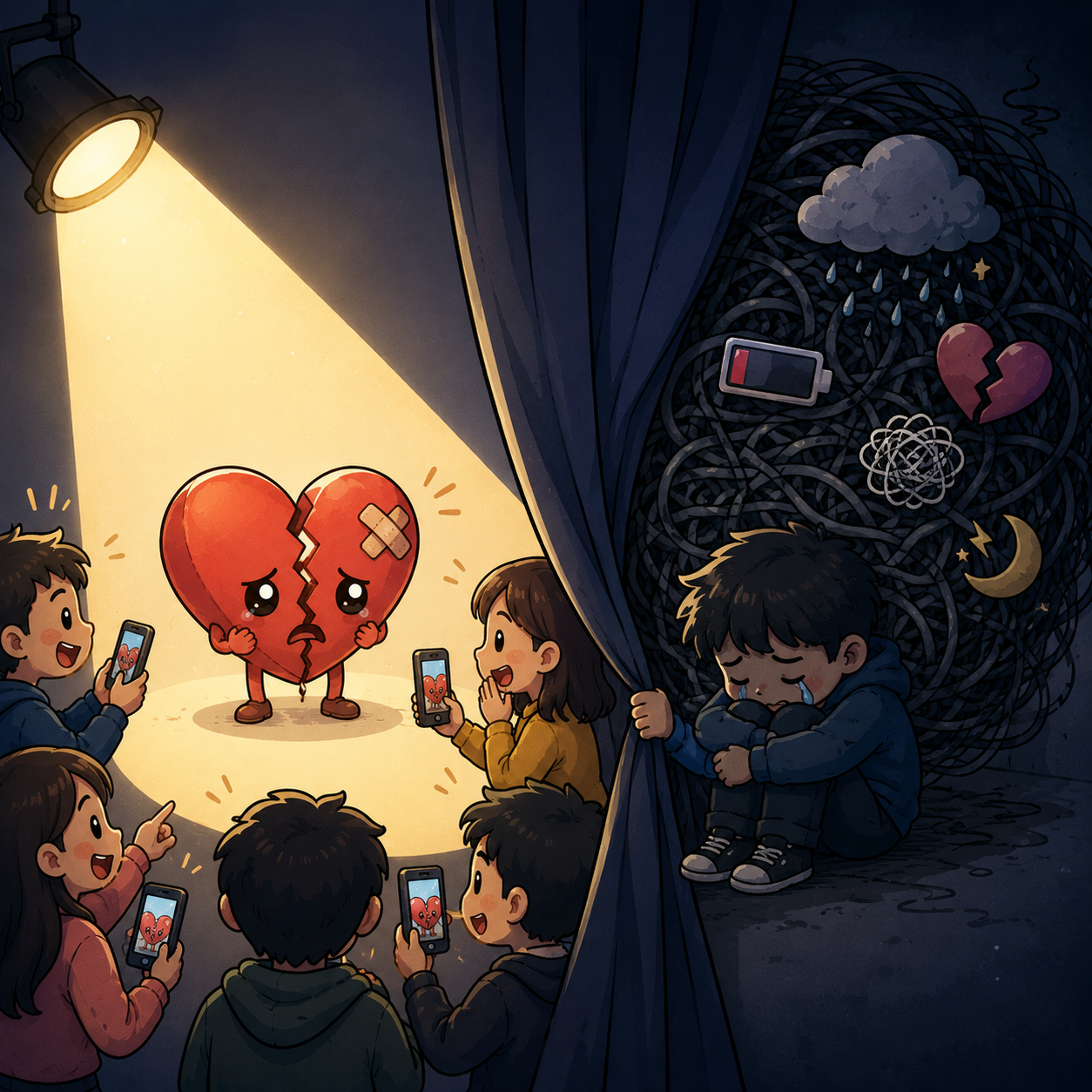
Laughing Outside. Breaking Inside
Some people use humour to cope with emotional pain. Others smile because they don’t know how to explain what they’re feeling. Laughing doesn’t always mean someone is happy, just as crying doesn’t always mean someone is weak. Our brain and emotions are complex, and people express distress in different ways. Creating a safe space where people feel comfortable talking about their struggles can encourage early assessment and access to appropriate professional care.
The Reel vs The Real
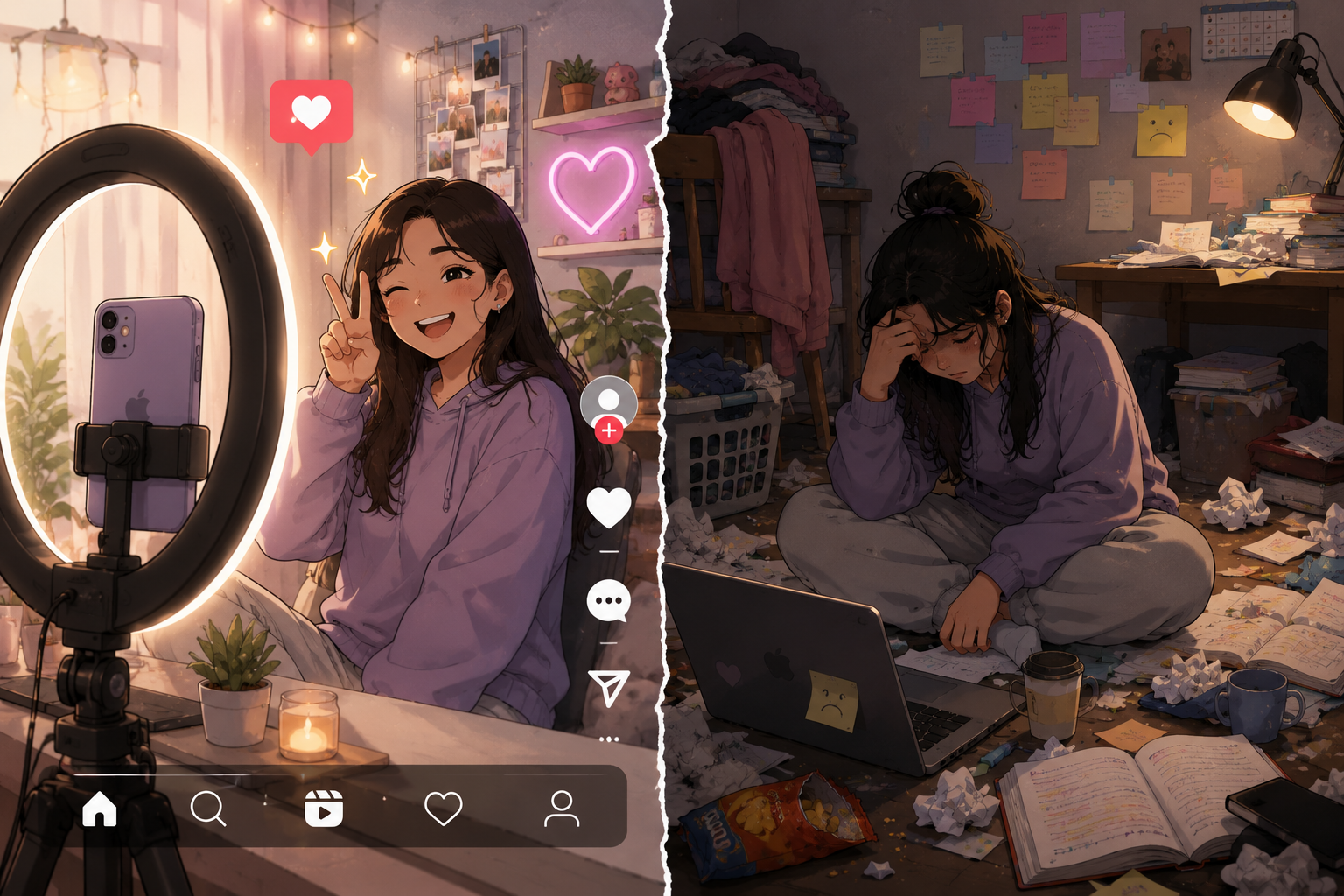
Social media often shows the best moments of a person’s life, but rarely the difficult ones. Behind every perfect picture or happy reel may be stress, loneliness, fear, self-doubt, or emotional pain that no one else sees. Constantly comparing our real lives to someone else’s highlights can make us feel inadequate, even though we are only seeing a small part of their story. What we see online is not always the complete reality. Honest conversations, real connections, and seeking help from qualified professionals when needed are far more valuable than trying to keep up with an online image.
SECTION 4 – PREVENTION & EARLY ACTION
Just Handle It, Macha... Seriously?
We’ve all heard phrases like “Be strong,” “Move on,” or “Just handle it.” While they may come from good intentions, emotional struggles are not always something a person can simply switch off. Just as we wouldn’t expect someone with a broken leg to “just walk it off,” we shouldn’t expect someone experiencing emotional pain to deal with it alone. Sometimes, what people need most is someone who listens, understands, and helps them find the right support. Real strength is recognising when help is needed and accessing evidence-based treatment from qualified mental health professionals.
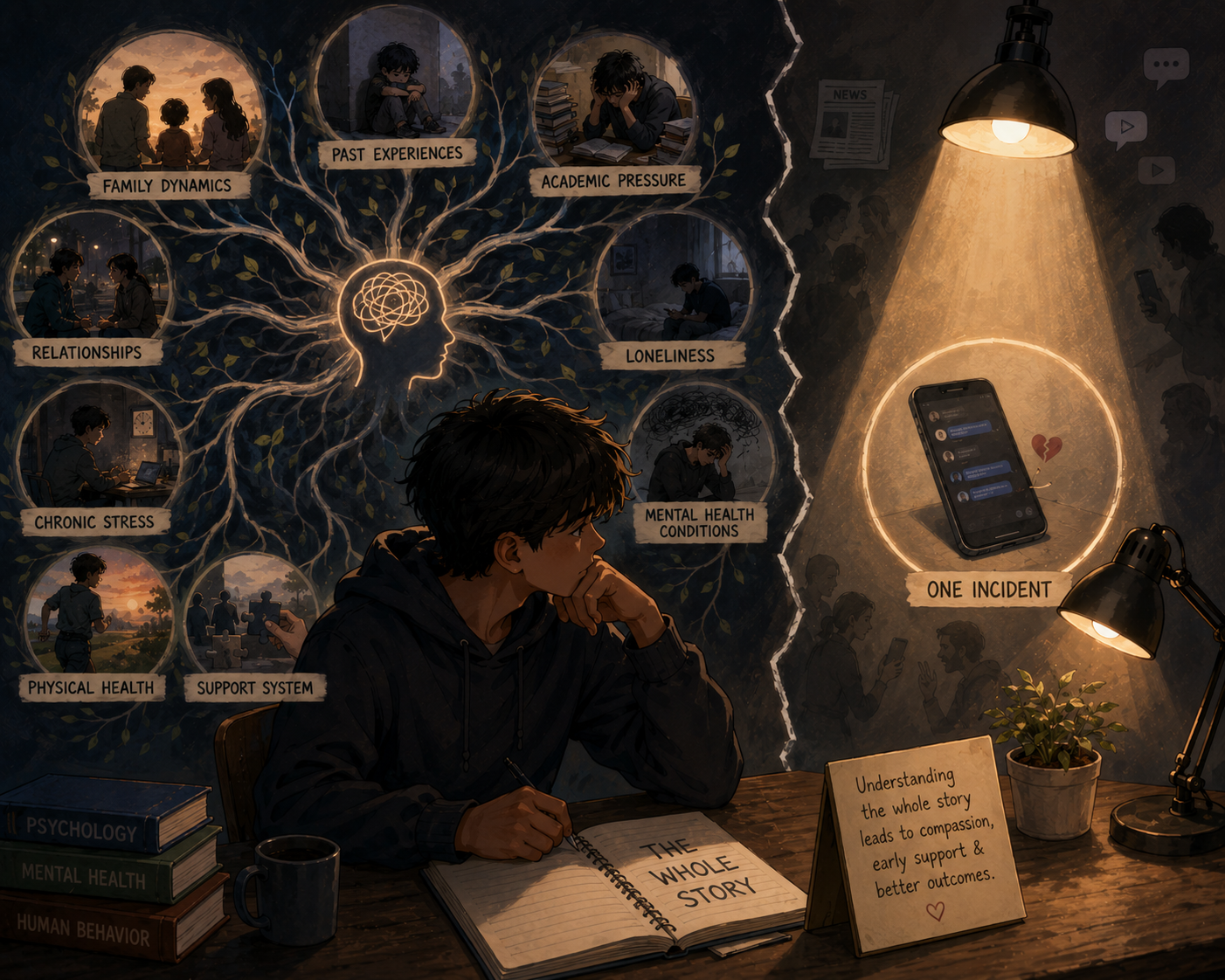
One Incident Cannot Explain an Entire Collapse
When something tragic happens, our minds naturally look for one reason. It feels easier to say, “It happened because of the breakup” or “It happened because of the exam.” But human beings are far more complex than that. Our brain is constantly shaped by our experiences, relationships, stress, physical health, emotions, and the support we receive. When we begin to understand the whole story instead of just the final incident, we are more likely to recognise emotional distress early and ensure that the right assessment and evidence-based care are provided before a crisis develops.
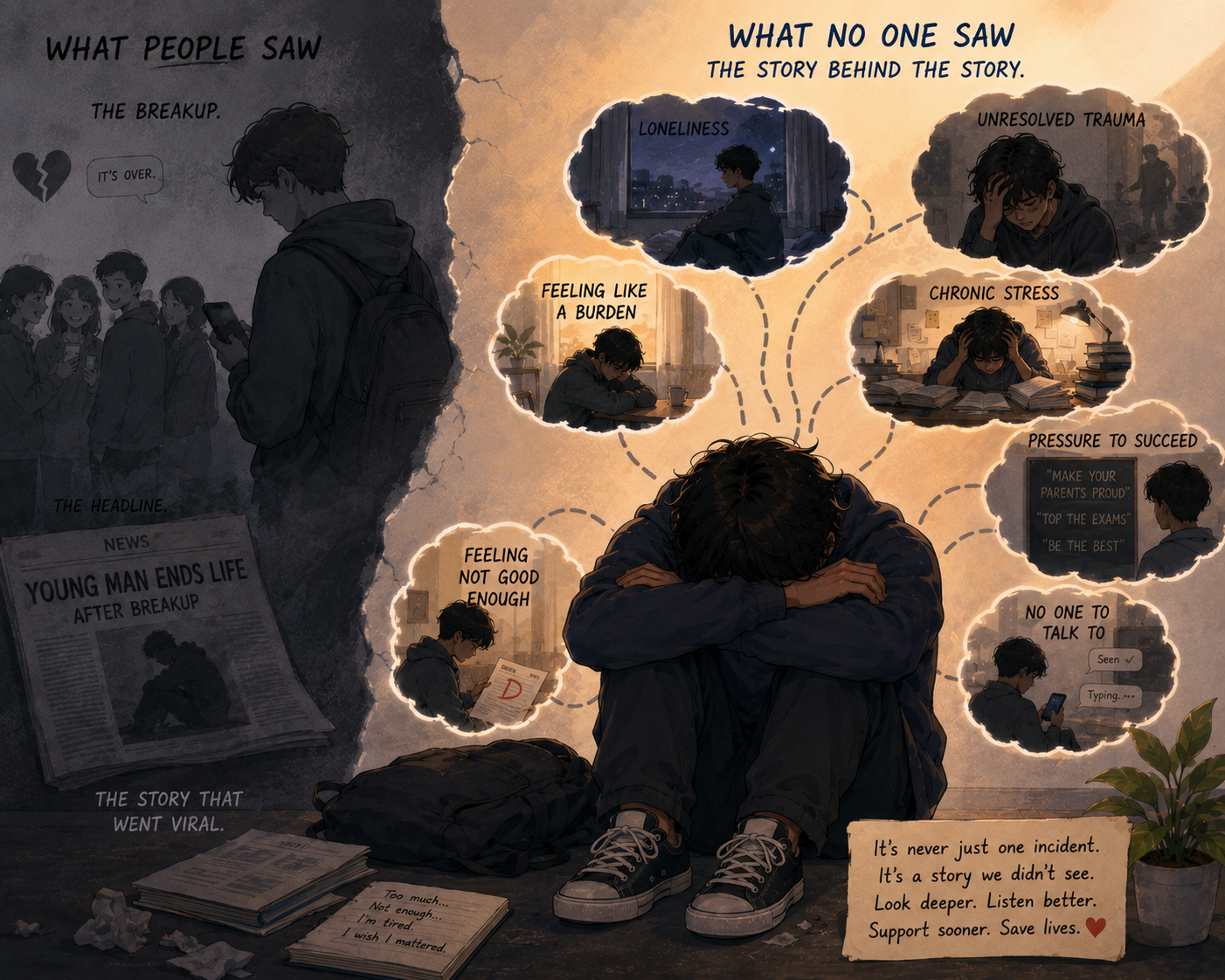
Everybody Blamed the Breakup. Nobody Saw the Breakdown
Sometimes a breakup, job loss, or failure becomes the headline after a suicide. But these events are often only the final chapter of a much longer story. Behind them may have been months or even years of loneliness, emotional pain, unresolved trauma, chronic stress, or feeling like a burden. Focusing only on the breakup can make us miss everything that came before it. Prevention begins when we stop asking, “What happened?” and start asking, “What had this person been carrying all along?”
The Trigger Went Viral. The Vulnerable System Went Phut!
Social media and news often focus on the event everyone can see. The trigger spreads quickly, but the years of emotional struggle, stress, and vulnerability rarely become part of the conversation. This can create the false impression that one incident alone caused the crisis. In reality, the brain and body may have been under pressure for a long time. Shifting our attention towards recognising vulnerability early and encouraging professional assessment helps move the conversation from reaction to prevention.
This Was Preventable, Da.
Many people who struggle show signs long before they reach a crisis. Sometimes they withdraw from others, lose interest in things they once enjoyed, speak differently about themselves, or simply seem unlike themselves. These moments are opportunities, not to judge, but to listen, support, and act. Prevention begins with recognising these warning signs early, followed by appropriate assessment, accurate diagnosis, and evidence-based treatment, including psychological therapies, medication when clinically indicated, and support from qualified mental health professionals.