Docgautham

Doc Gautham's Neuro Centre

Effective Treatment for Emotional,
Thinking, & Behaviour Disorders

Comprehensive treatment for adults / children / elderly (behavioural disorders, anxiety, depression, stress, hysteria, anger, addiction etc), by leading expert with
30+ years of experience & training at best centers.

About Us

We are a leading mental health consultation center for you.

Dr. U. Gauthamadas MD PhD DPM DCBD is widely recognised as one of Chennai’s foremost Neuro-Psychiatrists, known for his pioneering work in Neuro Behavioural Medicine and his dedication to advancing mental health care in India. His centre has consistently earned top positions in the Times Health Survey, securing No. 7 in Chennai City (2017), No. 15 in South India Regional Ranking (2019), No. 7 in National Single Specialty Centre Ranking (2022), and an outstanding series of recognitions in 2023No. 2 in Chennai, No. 3 in South India, and No. 7 nationally.

Disorders of thinking and behavior are biological and treatable. They are not related to your character. You cannot overcome them through will power, Yoga, Meditation etc. They are caused by chemical imbalances in the brain and are like Diabetes of the mind.

Our Services

Medical Management

Hospital Short Stay

Senior Care

Psychological Testing

Counselling

Couples Therapy
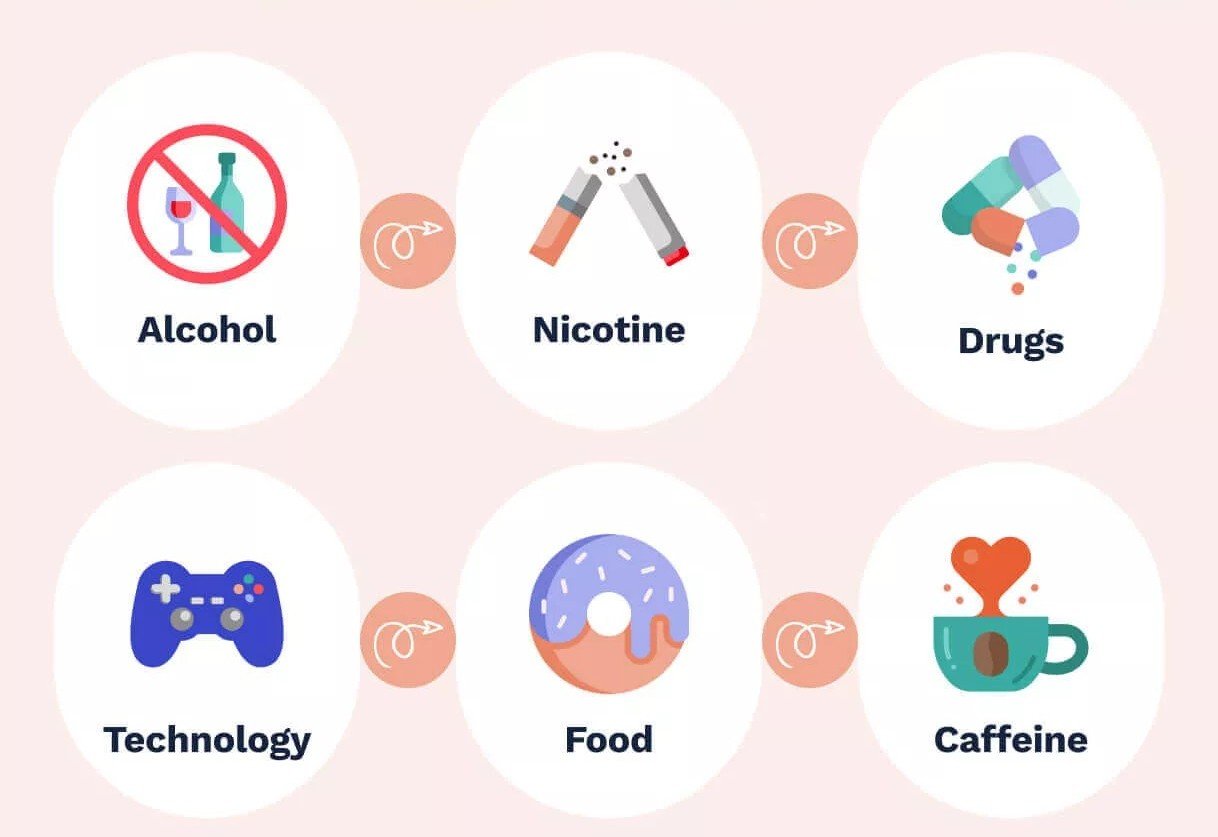
Deaddiction
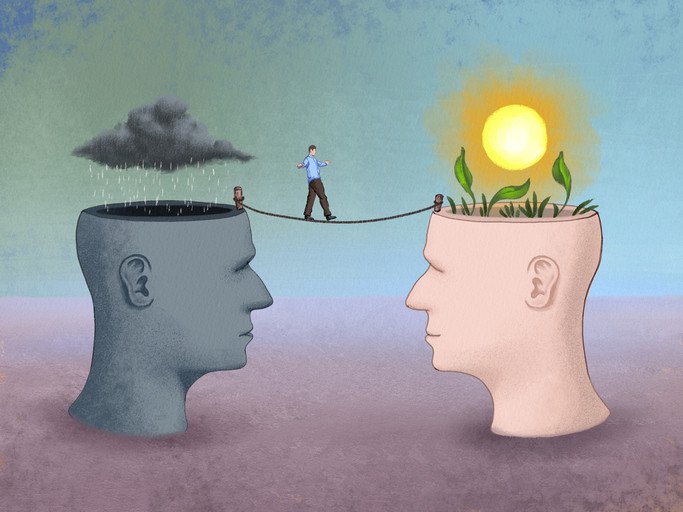
CBT

Contact us for Appointment

Our Expert

Meet Our Team Members

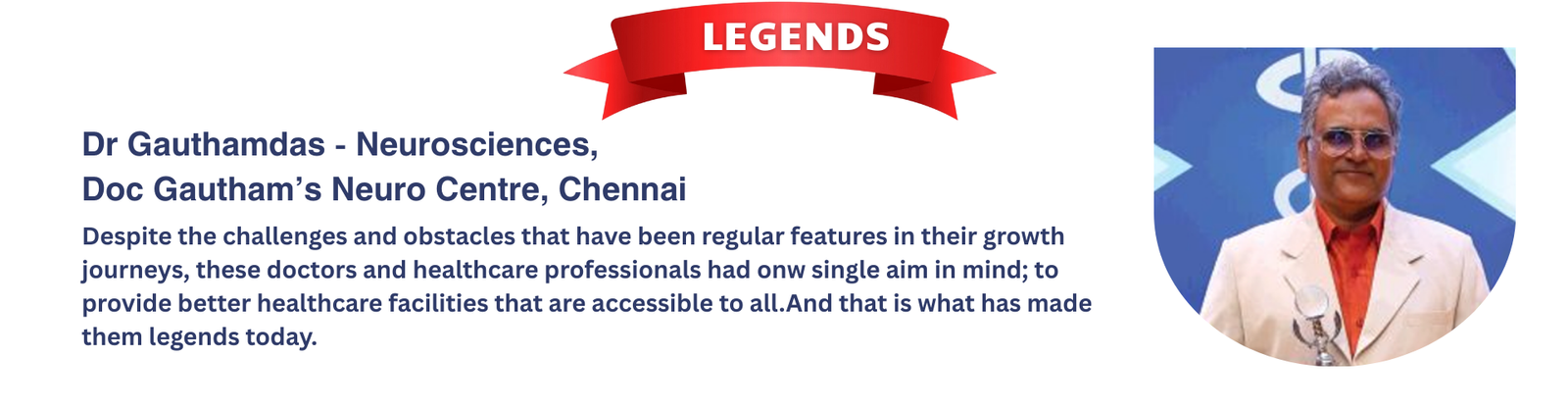
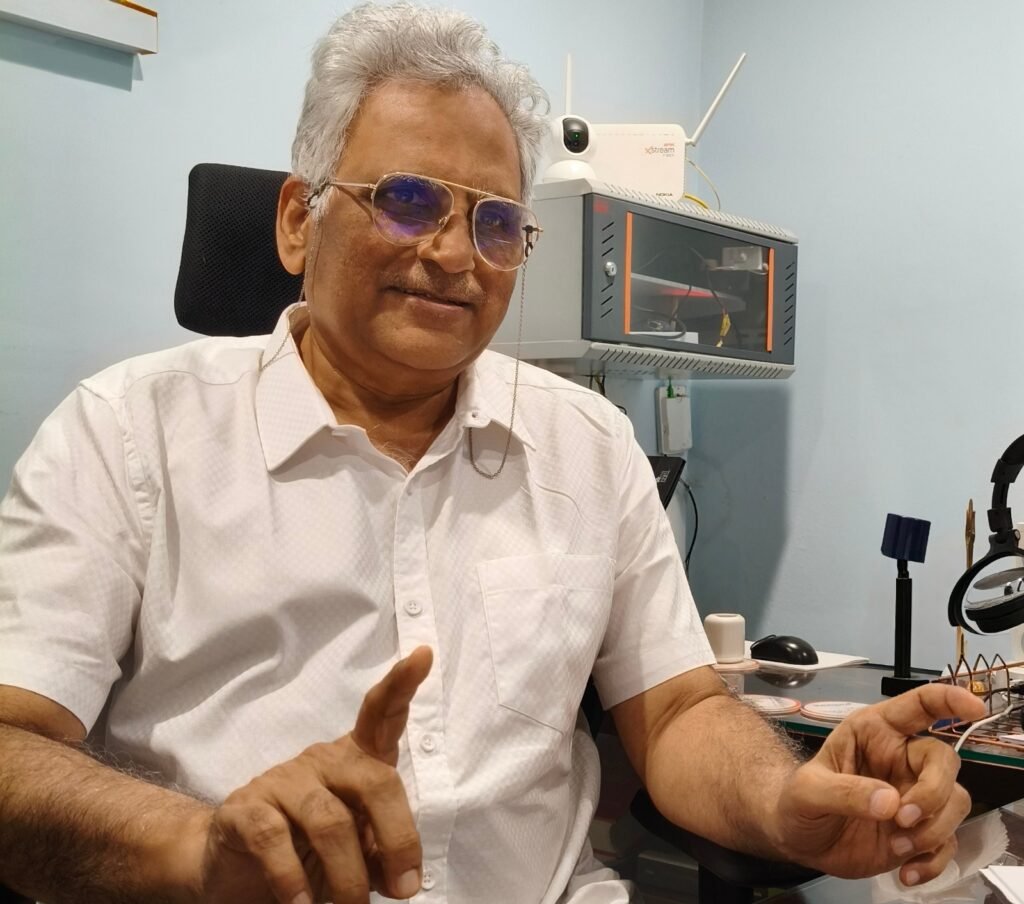
Dr. Gauthamadas Udipi

Chief Consultant Psychiatrist
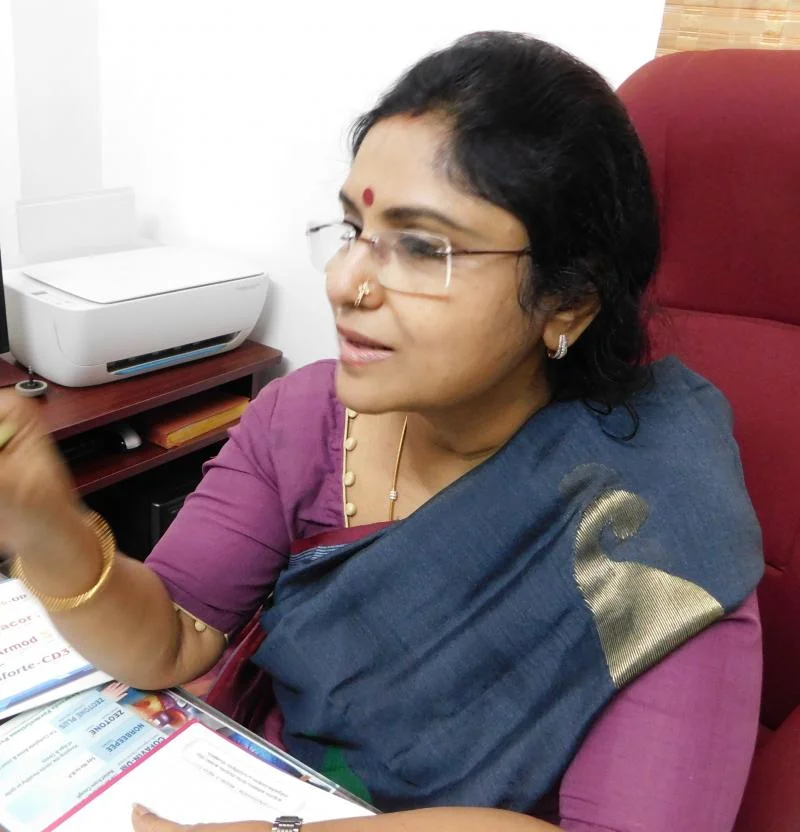
Mrs. Rajashree Gautham

Chief Counsellor

Mrs. Archana

Chief Clinical Psychologist
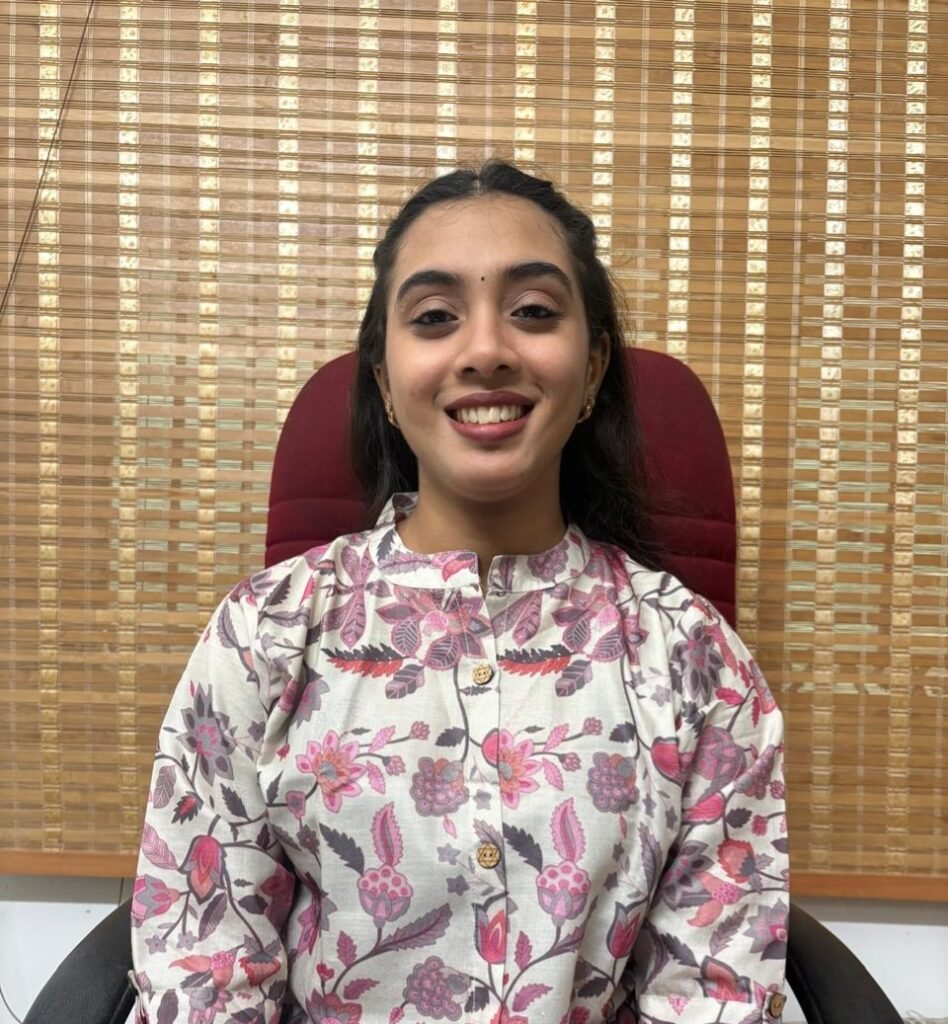
Ms. Pritika

Clinical Psychologist
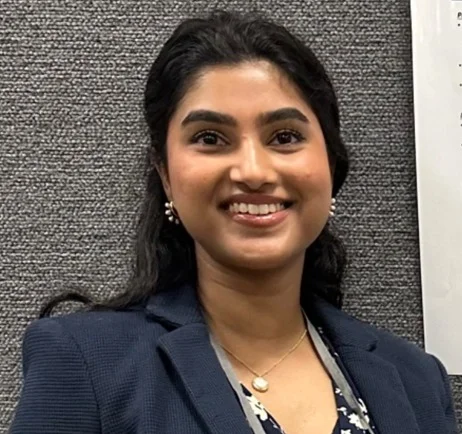
Dr. Sakthi Gautham MD

Consultant Physician
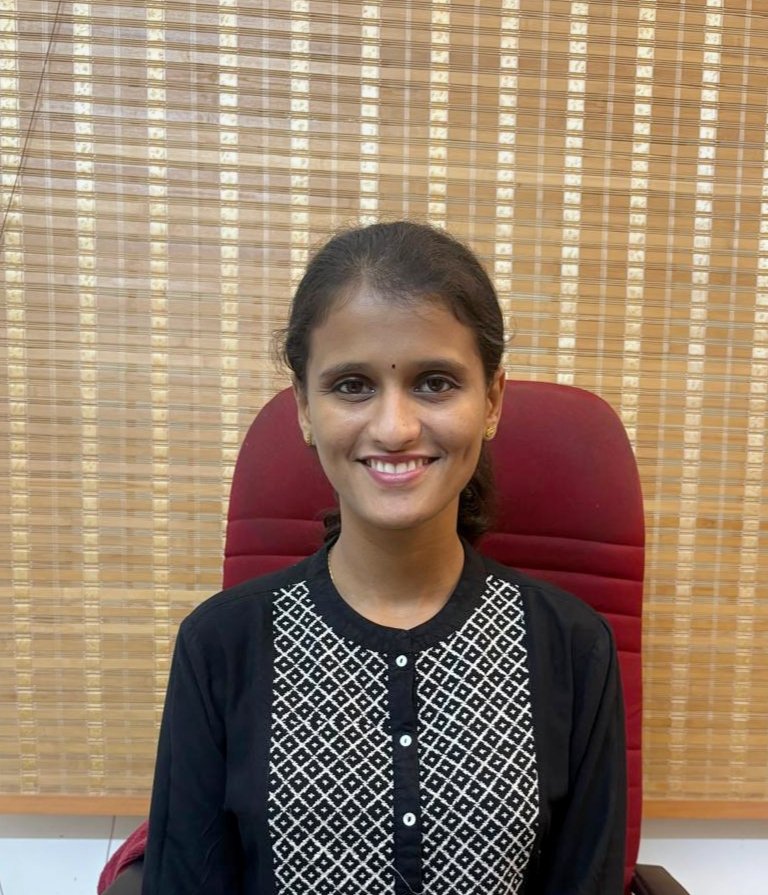
Ms. Mahima Vinod P

Clinical Service Coordinator
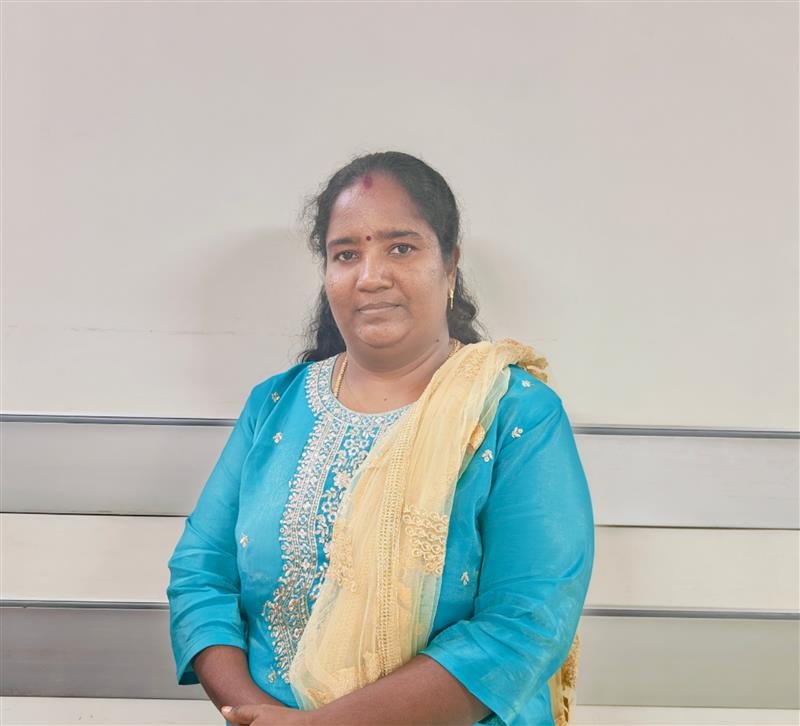
Starlin Mary

Staff In-charge

Awards Bestowed on Us

Our Blogs

Emotional & Behavioral Disorders of Women

Emotional & Behavioral Disorders of Women

Women experience emotional upheavals at different stages of their life due to hormonal flux. This…

Suspicion – Doubt – Jealousy

Suspicion – Doubt – Jealousy

Families today are faced with dilemmas about suspicion, and privacy. Suspicion permeates every level of…

Stress and its Management

Stress and its Management

Stress is a  physical, cognitive, and emotional reaction of the body to the situations that…

Client Testimonials

Abdul Munaf Saudi Arabia

Congrats Dr! I came in a marooned stage. My condition was so piteous. I was severely affected by high phobia and depression. Like a peeled onion my problem was solved layer by layer to null by Dr. Gautham.

Aarthi Chauhan Banking executive

I was feeling low and sad for around 4 years. Small things would make me cry. Work politics and people’s rudeness used to overwhelm me to a great extent and my family life was impacted.

Vanitha Priya Banking executive

I came here one month back and within 15 days I saw a lot of change in my sister. With kind perseverance Dr. Gautham has always listened to her ailments. He spends a lot of time to analyze his patients.

Vijay Prabhakar H R Consultant

Coming to Dr. Gautham has probably been the best thing I have done. It has made me realize a lot of things which I was unclear about. My drinking drug habit of 20 years is now stopped and it has been 15 months.

Frequently Asked Questions

Neuro-behavioral Disorders can – for easy understanding – be classified as Organic Mental Disorders, Psychosis, and Non-psychotic disorders.

An organic mental disorder (OMD) is also known as chronic organic brain syndrome, OBS or organic brain syndrome. It includes mental or behavioral abnormalities related to dysfunction of the brain which may be permanent or temporary.

Psychosis is a severe disorder in which contact with reality is lost or highly distorted. It prevents people from being able to distinguish between the real world and the imaginary world. Symptoms include hallucinations (seeing or hearing things that aren’t really there) or delusions (false, unshakable beliefs), and irrational or disorganized. The thee major types of psychoses are Schizophrenia, Affective disorder (Bipolar Affective Disorder – BPAD -, or Manic Depressive Psychosis. Behavior Disorders), and Delusional Disorder (Paranoia). Thia forms a small percentage of Neuro-behavioral disorders

Non-psychotic disorders include Neurosis, Sleep disorders, and Childhood behavioural disorders.

Neurosis is an exaggeration of normally occurring thoughts or emotions that cause distress to self or others and interferes with daily functioning of the person. The three major types of neuroses are Anxiety disorders, Dysthymic disorders (Neurotic Depression), and Somatoform disorders (Hysteria). This forms a large percentage of Neuro-behavioral disorder

Psychiatric medications are like any other medicine your doctor would prescribe: they have beneficial and unwanted (“side”) effects. Antibiotics, which cure potentially serious bacterial infections, can cause nausea. Heart disease medication can cause low blood pressure. Even over-the-counter drugs such as cold remedies can cause drowsiness, while paracetamol can cause stomach problems.

One of the more surprising aspects of medications is how two people taking the same medicine can have such different experiences. One person may have troublesome side effects, while another person finds that the medicine does only the good that it is intended to do. The important thing to remember is this: side effects are possibilities, not certainties. There is no compulsion that a patient must get all, some, or even one of the side effects listed for a drug. Excessive fear about side effects is counter-productive.

There is another issue as well: side effects may be serious and life threatening, or merely annoying. While psychiatric medicines do carry the possibility of inconveniencing side effects, most of them are entirely devoid of serious side effects at prescribed doses. Also, it is important to remember that while beneficial effects tend to get enhanced over time, most side effects tend to diminish over time – in fact, some side effects go away altogether with time. All these considerations require doctors to assess the risk of side effects versus the expected benefit of any medication. In a life-threatening disease, even serious side effects may be worth the risk – psychiatrists are trained to make this risk/benefit analysis.

What does the word addiction mean? It means an inability to stop using a chemical that the body does not need, in spite of the adverse consequences of continued use. Note that the body does not need the chemical, and the chemical causes bodily harm. Examples of such chemicals include ethanol (alcohol), cannabis (marijuana) and opioids (brown sugar)

Now, let us consider diabetics, many of whom use tablets or insulin injections – as advised by their doctors – to keep the illness under control. Are they addicted to their medicines? For one, their body needs the medicines to counter the illness. For another, not taking the medicines can cause bodily harm – not the other way around. The list of such medical disorders (and medicines) is long: high blood pressure (anti-hypertensives), high blood cholesterol (statins) and hypothyroidism (thyroid hormones) are some common examples.

The same logic applies to psychiatric medicines: a person with depession, for example, needs the anti-depressants to keep the illness in check – not taking them puts him at risk of suffering a relapse. In this context, there is no way the word addiction can be used with any justification.

Affective disorder has a favorable outcome and is considered to be eminently treatable.

Schizophrenia was earlier considered to have a bleak outcome. But with advances in medicine and availability of newer. more specific medicines, it is, today, possible for many people to recover fully Schizophrenia. In our own practice, there are quite a few people who had crossed the border, but were restored to their former self with medication though, of course having to continue on maintenance doses of medication. Some of them have become good friends.

Most people with a mental illness recover quickly with appropriate treatment, and the majority do not need hospital care, or have only brief admissions.

Treatment discoveries of recent decades have removed the need for isolation and confinement as was common in the past. There are a small number of people with a mental illness, less than 0.01% of the population, who are at risk and need hospital care, sometimes against their will. It is important to recognize that this is not the situation for the vast majority of those who might have an episode of illness.

Neurosis is often transient and can come and go in people’s lives. Some people have only one episode and will recover completely. For others, it recurs throughout their lives and requires ongoing treatment.

Neuro-behavioral disorder is like many physical illnesses which require ongoing treatment such as asthma, diabetes and heart disease, but which can be managed so that the individual can participate in everyday life.

In my own practice, there are quite a few people who have crossed the border, but were restored to their former self with medication though, of course having to continue on maintenance doses of medication. Some of them have become good friends. For other people, mental illness is like many physical illnesses which require ongoing treatment such as asthma, diabetes and heart disease, but which can be managed so that the individual can participate in everyday life.

Mental illness is often transient and can come and go in people’s lives. Some people have only one episode and will recover completely. For others, it recurs throughout their lives and requires ongoing treatment.

Most people with a mental illness recover quickly with appropriate treatment, and the majority do not need hospital care, or have only brief admissions. Treatment discoveries of recent decades have removed the need for isolation and confinement as was common in the past. There are a small number of people with a mental illness, less than 0.01% of the population, who are at risk and need hospital care, sometimes against their will. It is important to recognize that this is not the situation for the vast majority of those who might have an episode of illness.

Neuro-behavioral disorderes do not discriminate; they affect people of every age, gender, race, religion, or socioeconomic status. The causes of Neuro-behavioral disorder are unclear. Many factors can contribute to the onset of Neuro-behavioral disorder in people with a predisposition such as stress, bereavement, relationship breakdown, child abuse, unemployment, social isolation and times of accidents and life-threatening illness.

With today’s advances in medicine and the understanding of the brain psychosis is not an insurmountable barrier. While some people do become disabled as a result of chronic mental illness, many people who experience psychosis can, today, work and participate in family and social life, and live full and productive lives with appropriate treatment.

How long someone must take psychiatric medication depends on the individual and the disorder. Many depressed and anxious people may need medication for a single period – perhaps for several months – and then never need it again. Others may have to take medication indefinitely.  It all depends on the individual body constitution and circumstances. The person has to decide whether it is worth the risk of suffering a  life  disrupting relapse at a critical period of life (marriage, career, children, family commitments, social commitments etc.).

Contact Us

We are here for you! How can we help?

Scroll to Top