When is a good time to consult with an online psychiatrist? 10 Signs You Need to See a Professional

Mental health is an important aspect of overall wellness, but many people delay seeking professional help when they experience changes in emotions or behaviour. For example, a busy schedule, privacy concerns, travel difficulties, or uncertainty about visiting a clinic can make it difficult to take the first step.
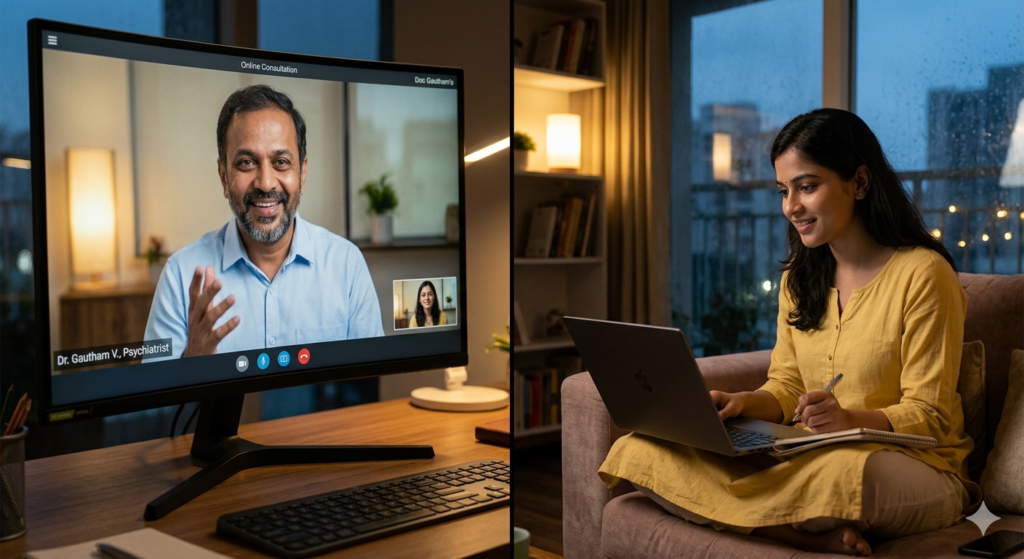
You can also use an online psychiatrist consultation to speak to a qualified mental health professional from the comfort and privacy of your own home. Online appointments can be appropriate for people who need an initial assessment, ongoing psychiatric care, or professional guidance for some mental health concerns.
Recognise signs you may need help first.
What is an Online Consultation with a Psychiatrist?
An online psychiatric consultation is a telehealth appointment with a psychiatrist using a secure digital communication platform. The psychiatrist will talk about symptoms, medical history, emotional worries, drugs, lifestyle factors and treatment goals, based on what the person is going through.
The psychiatrist can then determine if online care is suitable and recommend an appropriate treatment plan. This may include psychotherapy, lifestyle recommendations, medication when clinically appropriate, follow-up appointments or referral for in-person care if needed.
Some situations are not appropriate for online consultation, especially emergencies. The psychiatrist may suggest immediate face-to-face or emergency support if needed.
10 Signs You May Need To Seek Professional Help
1. Lasting sadness or low mood
Sometimes everyone feels sad. However, it might be a good idea to seek professional help if you find yourself sad, empty, hopeless, or emotionally drained for a long time.
A psychiatrist can help you determine if these symptoms could be related to depression or another mental health problem.
2. Excessive Anxiety or Persistent Worry
Sometimes worrying is normal, but constant anxiety can get in the way of daily life. You could be worrying too much about work, relationships, health, money or daily situations.
If you struggle with anxiety that affects your ability to concentrate, sleep, work, socialise or relax, consider talking with a mental health professional about your symptoms.
3. Major Changes in Sleep
Sleep and mental health have a close relationship. Sometimes, drastic changes like ongoing insomnia, waking up several times during the night, sleeping for abnormally long periods, or feeling tired despite getting enough sleep can be a sign of an underlying concern.
A psychiatrist can help determine if emotional, psychological, medication or other factors may be contributing to sleep problems.
4. Change in appetite or weight
Sometimes emotional problems are linked to considerable changes in eating habits. When people get stressed or depressed, some lose their appetite, while others may eat a lot more.
If appetite or weight changes are persistent or accompanied by other emotional symptoms, professional assessment may be appropriate.
5. Trouble Focusing
Occasional trouble focusing is normal, particularly when people are stressed. But when difficulty concentrating persists, it can interfere with work, school, relationships and daily responsibilities.
A psychiatrist can look into potential causes and decide if there is a need for further assessment or treatment.
6. Lack of Interest in Things
One of the signs that your mental health needs attention is that you lose interest in activities that you used to enjoy.
If you find that you’ve lost interest in your hobbies, social interactions, work, or other meaningful activities and this has been going on for some time, talking to a psychiatrist can help you understand what may be going on.
7. Mood swings or irritability often
Everybody has mood changes, but extremely strong, frequent, or unpredictable mood changes can affect relationships and day-to-day functioning.
Persistent irritability, emotional outbursts, or major swings from one emotional state to another can be part of an online psychiatric assessment.
8. Trouble Managing Daily Responsibilities
Sometimes mental health problems can make normal responsibilities feel overwhelming. You may have trouble getting to work, going to class, keeping up relationships, doing chores, or looking after yourself.
If these difficulties continue, professional support can help to identify the underlying issues and explore appropriate strategies.
9. Increased Use of Alcohol or Other Drugs
Some people cope with emotional distress by drinking more alcohol or using other drugs. While these actions can provide temporary relief, they can lead to worsening mental health and other problems.
If you are using substances as a way to cope with anxiety, sadness, stress, or other emotions, it is important to speak honestly about the situation with a qualified professional.
10. Ideas for self-harm or suicide
Self-harm, suicidal thoughts, or not wanting to live should always be taken seriously.
For example, if someone is in imminent danger or immediate risk, an online consultation may not be appropriate. If this happens to you, call emergency medical services or go to the nearest emergency room. Do not be alone.
Benefits of Online Psychiatrist Consultation
For the right patients, online psychiatric care does offer some pragmatic benefits.
Convenient
You can attend an appointment from the comfort of your home or another private place, saving you travel time and making it easier to fit appointments into a busy schedule.
Accessibility
Online appointments can make mental health professionals more accessible to people who live far from specialist services or find it difficult to travel.
Comfort and Privacy
Some people feel more comfortable talking about personal matters in familiar surroundings. Some individuals might be more open in a one-on-one setting.
Simpler follow-ups
For those already under psychiatric care, online follow-up appointments may ease continuity of treatment when clinically appropriate.
Getting Ready for Your Online Psychiatric Appointment
Some information prepared before your appointment will make the consultation more useful.
Maybe write:
- Your key concerns
- When the symptoms began
- Frequency of experiencing symptoms
* Recent changes in mood or behaviour
- Changes in sleep and appetite
- Medications and supplements being taken
- History of pertinent medical illnesses
Previous mental health treatment
- Questions you want to ask
Find a quiet, private place with good internet access. Use headphones, if possible, for privacy and improved audio quality.
Most importantly, be honest with your shrink. By providing accurate information, the professional will understand your situation and make recommendations accordingly.
Can Online Psychiatry Work for Everyone?
Online psychiatric care isn’t for every situation, but it can be helpful for many people.
A psychiatrist might recommend in-person assessment when symptoms call for a physical examination, additional testing, closer monitoring, or a level of care that can’t safely be provided remotely.
Also, in emergency situations, you need help right on the spot, not at a predetermined time on the internet.
The psychiatrist will determine if online care is appropriate based on your symptoms, situation, safety, and treatment needs.
How to Pick an Online Psychiatrist
If you’re looking for an online psychiatrist, you should consider the professional’s credentials, experience, communication style, how the consultation will be conducted, and the options for follow-up.
It is important to use a legitimate health care service and provide accurate medical information during the appointment.
If you are seeking professional psychiatric support, you can visit Dr Gautham’s website to know about consultation options.
Summary
It can be hard to know when you need to seek professional mental health support, but you don’t have to wait until symptoms are unbearable. Some reasons you might want to seek professional help include: Feeling sad, anxious, or unable to sleep; having trouble concentrating; experiencing mood changes; loss of interest; or trouble coping with everyday tasks.
For appropriate individuals, a virtual consultation with a psychiatrist can be a convenient and accessible option to discuss concerns and explore suitable treatment options.
If you are struggling with mental health issues, getting professional help can help you understand your symptoms better and find a way forward. In the case of an emergency or immediate safety concern, always seek urgent local medical assistance and do not rely on a routine online appointment.
Frequently Asked Questions
- What is an online psychiatrist consultation?
A distance appointment with a qualified psychiatrist using a secure digital way of communication. The psychiatrist can talk with you about symptoms, medical history, treatment concerns, and possible next steps.
- Can a psychiatrist prescribe medication in an online consultation?
Medication may be recommended or prescribed as appropriate based on clinical assessment, applicable regulations, and the psychiatrist’s professional judgement. The psychiatrist will work out the safest method of treatment for you.
- What is the difference between online psychiatric consultation and face-to-face appointments?
Online consultations are a good and useful way for many mental health issues, particularly for assessment and follow-up care. But in some situations, an in-person evaluation is needed, and the psychiatrist can help you with that.
- What do I talk about during an online psychiatry visit?
Tell us what your main symptoms are, when they began, how often and how bad they are, if your sleep and appetite have changed, and what medications you are taking. Tell us about your medical history, if you have tried any previous treatment… and anything that is bothering you in your daily life.
- When should I go to the emergency department instead of an online consultation?
If you or someone else is in immediate danger of serious injury or death, is experiencing a psychiatric emergency, or has imminent thoughts of suicide or self-harm, seek emergency medical help immediately instead of waiting for a routine online consultation.
- How to select a psychiatrist for online consultation?
Seek out a psychiatrist who is properly qualified and has relevant experience, as well as a clear process of consultation, appropriate privacy provisions, and suitable follow-up options. “Make sure that the service is legitimate and that you feel comfortable communicating with the professional.